

Chi Chang
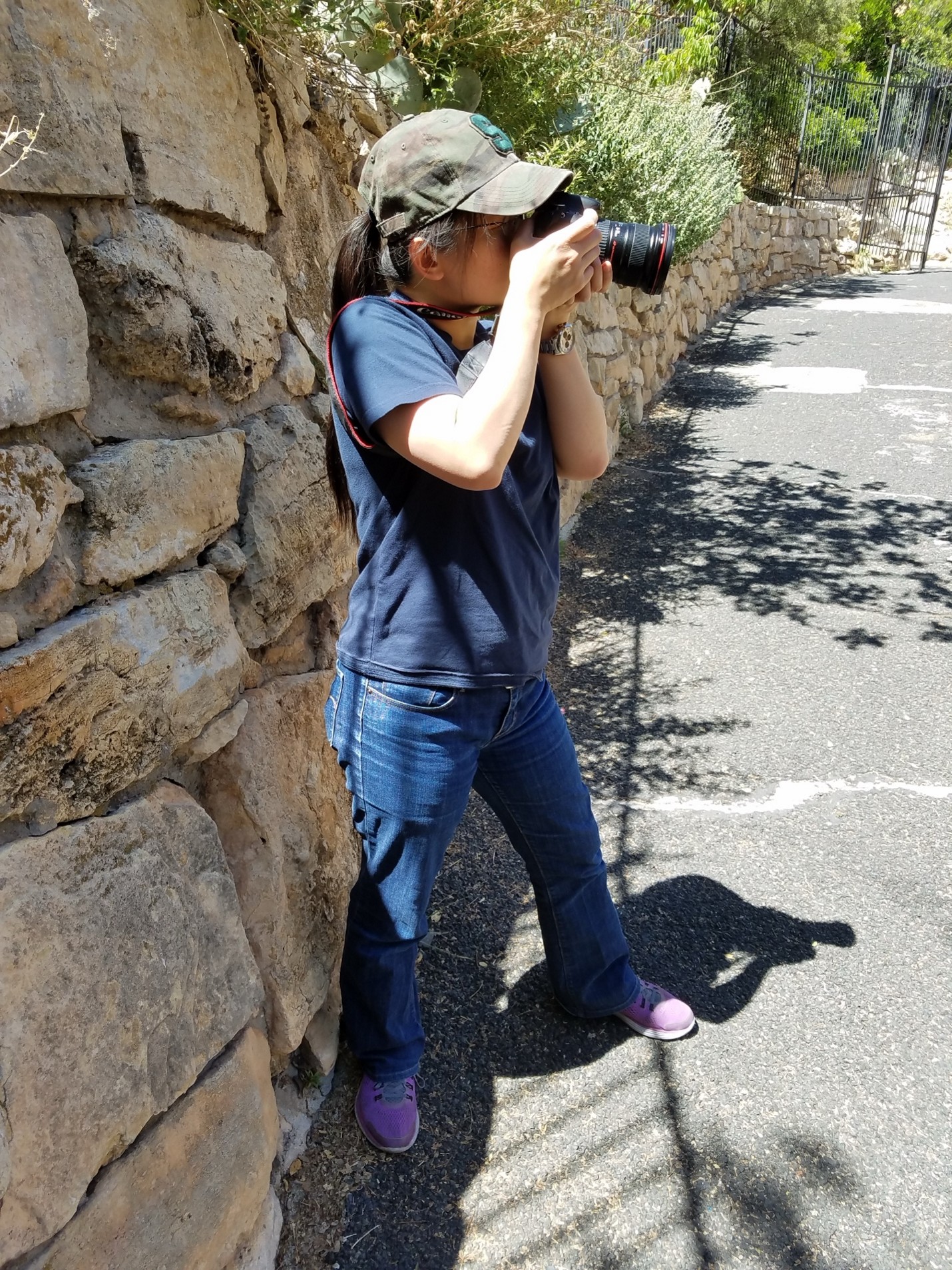
Current Hometown
Okemos, Michigan
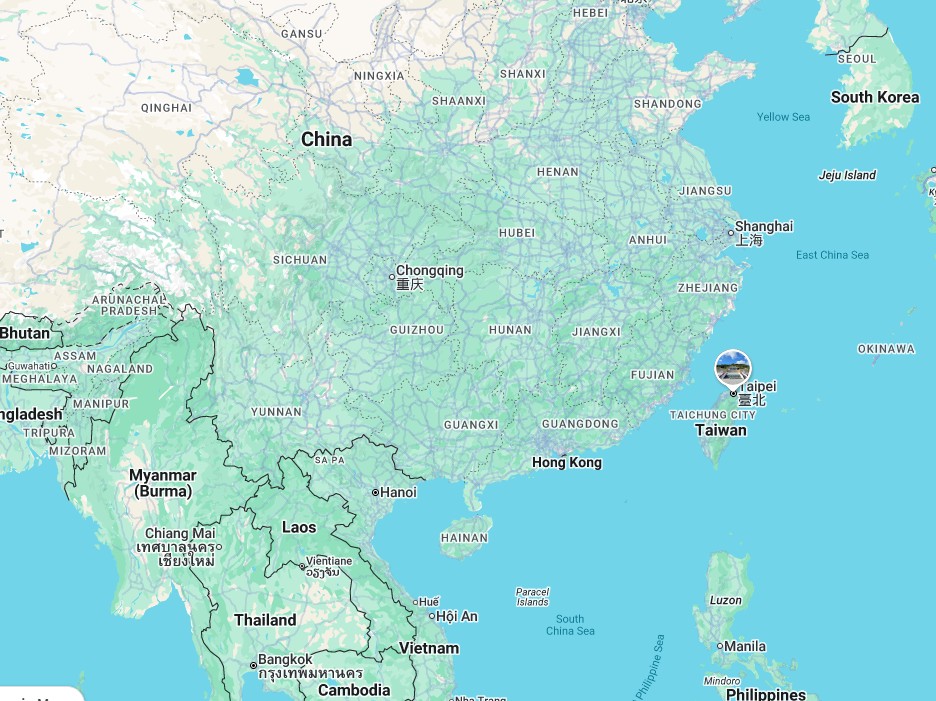
Born and raised
Taipei, Taiwan
Favorite Movie?
Big Hero 6
Favorite Color?
Blue
Favorite sport to play or watch?
Swimming and Table Tennis
What is the most interesting/enjoyable place you have visited?
Quebec, Canada – I love the freshair and sunlight, and the sense of calm and renewal I feel being surrounded by mountains and lakes.
What is the most helpful advice you have received?
Cherish your feathers (your integrity and your name). Reputation is built quietly over time, but can be lost in a moment.
How did you become interested in your field? Was there a specific moment when you knew it was the right fit for you?
I have always enjoyed learning new quantitative methods and thinking about how they can be used to creatively solve complex problems. Early on, I was especially motivated by questions in healthcare, where data-driven insights can directly impact people’s lives. When Michigan State University launched its biostatistics program, I saw a clear path that brought together my interests in quantitative methodology and applied statistics. That moment helped me realize I had found a field where my curiosity and purpose naturally aligned.
What/who influenced you to select your area(s) of study and how has that impacted your career?
At different stages of my career, I have been profoundly influenced by mentors who supported me through periods of self-doubt and intellectual challenge. Kimberly Kelly, Richard Houang, Joseph Gardiner, M. Lee Van Horn, and Ann Hsing each played a significant role in my development, emphasizing methodological rigor while also offering generous personal guidance. Their mentorship helped me trust my own thinking, persist through uncertainty, and value careful, principled work. These lessons continue to guide how I approach research questions, evaluate evidence, and mentor students across interdisciplinary settings.
Describe your current research or area of interest
My research focuses on psychometric and biostatistical methods that improve the validity, reliability, and fairness of educational and health assessments. I study how complex skills, such as clinical reasoning, communication, and procedural competence, can be measured more accurately using modern quantitative models. Central to this work are questions of latent construct modeling, measurement invariance across learner groups, and the interpretation of assessment results in high-stakes settings.
In addition, I am interested in the methodological evaluation of unsupervised learning approaches used in assessment and health data. Rather than treating these methods as purely exploratory tools, my work examines their assumptions, stability, interpretability, and implications for validity. This includes evaluating how unsupervised models define latent structure, how robust those structures are across populations, and how they can be meaningfully aligned with psychometric theory. More broadly, my research investigates how artificial intelligence systems can be rigorously evaluated and calibrated using measurement principles, thereby supporting transparency, fairness, and sound decision-making in education and healthcare.
What advice would you give to a student?
Stay curious, build strong foundations, and do not shy away from challenging questions. Be open to interdisciplinary exploration—many of the most meaningful problems live at the boundaries between fields. Choose paths that align with your values, and once you choose, commit to learning, growth, and thoughtful collaboration.